


Why having a Generalist's view is a good thing

🚗 Would you buy a car that only drives forward?
🎬 Would you subscribe to a streaming service with just one movie?
👨🍳 Would you hire a chef who insists they only know how to cook pasta?
So why are some companies skeptical when a marketer brings subject matter expertise in more than one area?
MARKETING (or: Go-To-Market) isn't a monolith. It's a mosaic of disciplines: brand, digital, research, comms, product, performance, innovation, and more. Over the years, I’ve worked across each of these areas — sometimes as a specialist, often as an "army of one."
I've launched B2C products and B2B campaigns. Directed loyalty programs and led brand positioning. Built digital lead gen funnels and guided physical product innovation. Not because I was chasing variety, but because ... EVERYTHING. EVERYWHERE. ALL AT ONCE.
This doesn't make me a generalist. It makes me a MULTI-EXPERT.
And companies benefit when they embrace that. Because a multi-expert doesn't just complete a task — they see the upstream and downstream DEPENDENCIES. They ask better QUESTIONS. They spot hidden RISKS. They CONNECT DOTS others miss.
In complex environments, versatility isn't a liability. It's a strategic asset.
Curious: Have you ever encountered skepticism around "doing too many things well"? Or had to explain why range can be a superpower?
Let's open that conversation. Now - and going forward.
Share your thoughts here on LinkedIn.
#MarketingLeadership #TShapedMarketer #CrossFunctionalExcellence #FractionalCMO #StrategicMarketing

My read on why AI talk feels exhausting? We don’t have one debate ... we have two. 𝗥𝗼𝗼𝗺 𝟭: 𝗧𝗵𝗲 𝗖𝗼𝗻𝘃𝗲𝗿𝘁𝘀 (𝗘𝘃𝗮𝗻𝗴𝗲𝗹𝗶𝘀𝘁𝘀). They’ve seen the upside. Faster cycles, better drafts, useful agents. Their question is, “𝙒𝙝𝙮 𝙖𝙧𝙚𝙣’𝙩 𝙬𝙚 𝙙𝙤𝙞𝙣𝙜 (𝙚𝙫𝙚𝙣) 𝙢𝙤𝙧𝙚?” 𝗥𝗼𝗼𝗺 𝟮: 𝗧𝗵𝗲 𝗣𝗿𝗲‑𝗔𝗱𝗼𝗽𝘁𝗲𝗿𝘀. Smart, responsible ... and overwhelmed. Their question is, “𝙒𝙝𝙮 𝙧𝙪𝙨𝙝 𝙞𝙣𝙩𝙤 𝙪𝙣𝙠𝙣𝙤𝙬𝙣 𝙧𝙞𝙨𝙠 𝙬𝙝𝙚𝙣 𝙩𝙝𝙚 𝙜𝙧𝙤𝙪𝙣𝙙 𝙠𝙚𝙚𝙥𝙨 𝙢𝙤𝙫𝙞𝙣𝙜?” I (kinda) get both takes. But, as a former boss of mine used to say: Their conversations miss each other like two ships passing each other at night (during "New Moon" 😉): Converts speak in speed and wins <|> Pre‑Adopters hear hype and risk Converts ask for pilots <|> Pre‑Adopters ask for proof Converts want "it" now <|> Pre-Adopters want context first Result: 𝗠𝗘𝗧𝗔 𝗙𝗔𝗧𝗜𝗚𝗨𝗘. Not from AI itself, but from misaligned premises and trying to have a conversation that got off on the wrong foot. Way forward? Two words: START OVER. / Ask the same question(s). / Put yourself in the other person's shoes. / Compare notes. OFTEN! / Spread out roles: Someone drives the pilot; someone (else) defines KPIs; a third someone measures outcome. That way, an ongoing exchange is built in. Ownership is shared. Success is in everyone's interest. THEN: Debate 𝘢𝘧𝘵𝘦𝘳 data. To wit: A "success" can also be the insight that this use case does not warrant to be pursued further. Curiosity first, certainty second. TAKEAWAY: If we can't be in the same meeting room ... let's at least chat in the hallway. Agree? Disagree? Observations to share? Share your thoughts here on LinkedIn . #WeekEndRant #AIFS #AI #ChangeManagement #Leadership #Innovation 𝘗𝘰𝘴𝘵 𝘚𝘤𝘳𝘪𝘱𝘵𝘶𝘮 (𝘢𝘬𝘢: 𝘚𝘦𝘭𝘧‑𝘢𝘸𝘢𝘳𝘦 𝘮𝘦𝘵𝘢 𝘵𝘸𝘪𝘴𝘵): Yes, I know—posting about AI Meta Fatigue risks adding to it. If this starts to tire you out, say the word; I’ll retire the horse before beating it to death. Deal?

Let’s be honest: 𝗞𝗲𝗲𝗽𝗶𝗻𝗴 𝘂𝗽 𝘄𝗶𝘁𝗵 𝗔𝗜 𝗰𝗮𝗻 𝗯𝗲 𝘁𝗶𝗿𝗶𝗻𝗴. Not scary. Not controversial. Just … tiring. You finally learn a workflow - only for the workflow to be modified. That awesome image gen tool - replaced by a different (better!) one two weeks later. What worked for an LLM-prompt yesterday ... has been subtly changed today. Your “saved” tutorial? Already outdated. 𝗗𝗲𝗮𝘁𝗵 𝗯𝘆 𝗮 𝘁𝗵𝗼𝘂𝘀𝗮𝗻𝗱 𝘁𝗶𝗻𝘆 𝗳𝗿𝗶𝗰𝘁𝗶𝗼𝗻𝘀: • Re‑learning a “totally new” UI that solves problems you didn’t have. • Output changes that break carefully tuned prompts. • Pricing tiers shuffling features like musical chairs. • New legal/IT guardrails that turn “temporary” workarounds into routine. Welcome to "𝗔𝗜 𝗙𝗮𝘁𝗶𝗴𝘂𝗲 𝗳𝗼𝗿 𝗨𝘀𝗲𝗿𝘀": the quiet drain of staying competent while tools change, pop up or disappear, seemingly on a daily basis. You end the day productive 𝘢𝘯𝘥 oddly behind. 𝗪𝗵𝗮𝘁 𝗵𝗲𝗹𝗽𝘀 𝗺𝗲: • 𝗔𝗻𝗰𝗵𝗼𝗿 𝘄𝗼𝗿𝗸𝗳𝗹𝗼𝘄𝘀. Pick 3 AI “jobs” you won’t churn (summaries, research prep, outline drafts). Everything else stays experimental. • 𝗗𝗲𝘃𝗲𝗹𝗼𝗽 𝗮 𝗽𝗹𝗮𝘆𝗯𝗼𝗼𝗸, 𝗻𝗼𝘁 𝗮 𝘁𝗼𝗼𝗹 𝗹𝗶𝘀𝘁. Steps + expected output + failure modes. If the tool changes, the 𝘫𝘰𝘣 doesn’t. • 𝗦𝗲𝘁 𝗮𝘀𝗶𝗱𝗲 𝗱𝗲𝗱𝗶𝗰𝗮𝘁𝗲𝗱 𝘁𝗶𝗺𝗲𝘀 𝗳𝗼𝗿 𝗻𝗲𝘄 𝘁𝗼𝗼𝗹𝘀 ("𝗨𝗽𝗱𝗮𝘁𝗲 𝗱𝗮𝘆"). Batch releases into one review window; stop the drip‑feed distraction. • 𝗜𝗴𝗻𝗼𝗿𝗲 𝟵𝟬% 𝗼𝗳 𝗳𝗲𝗮𝘁𝘂𝗿𝗲𝘀. New ≠ useful. 𝗢𝗻 𝗮 𝗽𝗲𝗿𝘀𝗼𝗻𝗮𝗹 𝗻𝗼𝘁𝗲: I loved the 3‑month “𝗠𝗮𝘀𝘁𝗲𝗿 𝗠𝗮𝗻𝗮𝗴𝗲𝗺𝗲𝗻𝘁 𝘄𝗶𝘁𝗵 𝗔𝗜” program (shout out to academy4.ai / SGO Business School / Marcel Pesch!) in Q1 and Q2 of this year (yes, 2025). Hands‑on learning, prompt frameworks, a stack of tools that were “cutting edge” at the time. Fast‑forward to today: several were iterated beyond recognition - or replaced entirely. Two takeaways: 1. 𝗕𝘂𝗶𝗹𝗱 𝘄𝗼𝗿𝗸𝗳𝗹𝗼𝘄𝘀, 𝗻𝗼𝘁 𝘁𝗼𝗼𝗹 𝗵𝗮𝗯𝗶𝘁𝘀. 2. 𝗨𝗻𝗱𝗲𝗿𝘀𝘁𝗮𝗻𝗱 𝘁𝗵𝗲 𝗰𝗼𝗻𝗰𝗲𝗽𝘁 𝗼𝗳 𝗰𝗼𝗻𝘁𝗶𝗻𝘂𝗼𝘂𝘀 𝗹𝗲𝗮𝗿𝗻𝗶𝗻𝗴 - 𝗯𝘂𝘁 𝗮𝘃𝗼𝗶𝗱 hashtag#𝗙𝗢𝗠𝗢. 𝘕𝘰𝘯𝘦 𝘰𝘧 𝘵𝘩𝘪𝘴 𝘪𝘴 𝘶𝘯𝘪𝘲𝘶𝘦 𝘵𝘰 𝘈𝘐. Analytics, automation, even simple productivity platforms show the same churn. 𝗔𝗜 𝗷𝘂𝘀𝘁 𝗰𝗼𝗺𝗽𝗿𝗲𝘀𝘀𝗲𝘀 𝘁𝗵𝗲 𝗰𝘆𝗰𝗹𝗲, so the fatigue kicks in faster. For the builders and doers: 𝗪𝗵𝗲𝗿𝗲 𝗮𝗿𝗲 𝘆𝗼𝘂 𝗳𝗲𝗲𝗹𝗶𝗻𝗴 hashtag#𝗔𝗜𝗙𝗦 𝗺𝗼𝘀𝘁—𝗻𝗼𝘁𝗲‑𝘁𝗮𝗸𝗶𝗻𝗴, 𝗿𝗲𝘀𝗲𝗮𝗿𝗰𝗵, 𝗰𝗼𝗻𝘁𝗲𝗻𝘁, 𝗰𝘂𝘀𝘁𝗼𝗺𝗲𝗿 𝘀𝘂𝗽𝗽𝗼𝗿𝘁, 𝗮𝗻𝗮𝗹𝘆𝘁𝗶𝗰𝘀, 𝗮𝘂𝘁𝗼𝗺𝗮𝘁𝗶𝗼𝗻? Any rules around switching vs. sticking?

𝗠𝗮𝘆𝗯𝗲 “𝗺𝗮𝗿𝗸𝗲𝘁𝗶𝗻𝗴” 𝗶𝘀 𝗼𝘂𝗿 𝗯𝗶𝗴𝗴𝗲𝘀𝘁 𝗯𝗿𝗮𝗻𝗱𝗶𝗻𝗴 𝗺𝗶𝘀𝘁𝗮𝗸𝗲. Until very recently, I used to simply introduce myself as a marketer. But ... I am not just “doing marketing”: I connect a company's product (or services) with an interested audience. 𝗗𝗶𝗳𝗳𝗲𝗿𝗲𝗻𝘁 𝗷𝘂𝗺𝗽𝗶𝗻𝗴-𝗼𝗳𝗳 𝗽𝗼𝗶𝗻𝘁. 𝗗𝗶𝗳𝗳𝗲𝗿𝗲𝗻𝘁 𝗮𝘁𝘁𝗶𝘁𝘂𝗱𝗲. 𝗗𝗶𝗳𝗳𝗲𝗿𝗲𝗻𝘁 𝗳𝗿𝗮𝗺𝗲𝘄𝗼𝗿𝗸. Call it “marketing” and it feels like it turns into a self-fulfilling prophecy: campaigns, comps, clicks. It devolves into a downstream service department: “make it pretty,” “run the ads,” “fix awareness.” Useful, but incomplete. And it keeps marketing small. What I actually expect of myself begins upstream: product-market-fit, channel strategy, value proposition, portfolio planning, brand development. A LOT of strategy, with execution (aka: tactics) as a natural end result. So should we 𝗿𝗲-𝗯𝗿𝗮𝗻𝗱 … 𝗺𝗮𝗿𝗸𝗲𝘁𝗶𝗻𝗴? (𝙄 𝙠𝙣𝙤𝙬. 𝙏𝙝𝙚 𝙞𝙧𝙤𝙣𝙮!) Is it “market development”? "Go-to-Market"? Has it been there the whole time? Meaning: For years now, my LinkedIn-bio has said "𝘔𝘺 𝘮𝘢𝘯𝘵𝘳𝘢: 𝘞𝘩𝘦𝘯 𝘥𝘰𝘯𝘦 𝘳𝘪𝘨𝘩𝘵, 𝘮𝘢𝘳𝘬𝘦𝘵𝘪𝘯𝘨 𝘪𝘴 𝘢 𝘱𝘰𝘸𝘦𝘳𝘧𝘶𝘭 𝙗𝙪𝙨𝙞𝙣𝙚𝙨𝙨 𝙙𝙚𝙫𝙚𝙡𝙤𝙥𝙢𝙚𝙣𝙩 𝘵𝘰𝘰𝘭." Names are a signal, they assign scope and accountability. When you rename the function, you reframe the expectations—from “make noise” to ... make markets. So when words need to match actions: What would you call it—and how would that change what you and your team actually do going forward? Share your thoughts here on LinkedIn . #Marketing #MarketDevelopment #GoToMarket #Leadership #Growth

Do AI Agents need a different Internet?

𝗧𝗵𝗲 𝗔𝗿𝘁 𝗮𝗻𝗱 𝗦𝗰𝗶𝗲𝗻𝗰𝗲 𝗼𝗳 𝗗𝗲𝗹𝗲𝗴𝗮𝘁𝗶𝗼𝗻 (Or: I once nearly drove an intern mad.) Scene: Ad agency. Task: Competitive review for a tourism board. The intern’s need: Step-by-step instructions. The problem: I didn’t give them. At first, she felt that was unusual (unfair?). Months later, when we ran into each other again, she told me that what felt like the most challenging project at the time ... had actually turned out to be the most rewarding (the one that taught her the most) project of her internship. Why? Because I had actually NOT walked away from responsibility — I had been delegating by design. Stephen Covey distinguishes between “𝗴𝗼𝗳𝗲𝗿” delegation (“do it exactly my way”) and 𝘀𝘁𝗲𝘄𝗮𝗿𝗱𝘀𝗵𝗶𝗽 𝗱𝗲𝗹𝗲𝗴𝗮𝘁𝗶𝗼𝗻 (agree on the what, give autonomy on the how). 𝙊𝙣𝙡𝙮 𝙩𝙝𝙚 𝙡𝙖𝙩𝙩𝙚𝙧 empowers people to become owners, not just task-takers. His framework is simple: / 𝗥𝗲𝘀𝘂𝗹𝘁𝘀: What “great” looks like and how we’ll recognize it. / 𝗚𝘂𝗶𝗱𝗲𝗹𝗶𝗻𝗲𝘀: Guardrails and red lines (what to avoid, required inputs). / 𝗥𝗲𝘀𝗼𝘂𝗿𝗰𝗲𝘀: People, data, tools, budget. / 𝗔𝗰𝗰𝗼𝘂𝗻𝘁𝗮𝗯𝗶𝗹𝗶𝘁𝘆: How progress is reviewed and when. / 𝗖𝗼𝗻𝘀𝗲𝗾𝘂𝗲𝗻𝗰𝗲𝘀: What success unlocks — and what happens if we miss. Back to the intern: I set the expectation (“a fresh point of view we can act on”), offered guardrails (core brands to include, timing, confidentiality), and provided resources (ads, store checks, existing research). But I didn’t prescribe the method. It took two weeks and three “rejections” (with inceasing disappointment on her part) … until she came back with angles I hadn’t considered, a rough segmentation model we later refined, and messaging gaps we converted into actionable insights. Win / Win. 𝗗𝗲𝗹𝗲𝗴𝗮𝘁𝗶𝗼𝗻 𝗶𝘀𝗻’𝘁 𝗹𝗲𝘀𝘀 𝗹𝗲𝗮𝗱𝗲𝗿𝘀𝗵𝗶𝗽. 𝗜𝘁’𝘀 𝗷𝘂𝘀𝘁 𝗱𝗶𝗳𝗳𝗲𝗿𝗲𝗻𝘁 𝗹𝗲𝗮𝗱𝗲𝗿𝘀𝗵𝗶𝗽. It’s a trust contract: you get ownership; I give clarity and space; we both commit to being open-minded, learning fast and reporting early if things drift. So if your team says they need “more guidance,” ask yourself: Do they need more steps — or clearer outcomes and boundaries? The difference will decide whether you scale yourself … or become the bottleneck. How do you set the what and let go of the how? What’s your best (or worst) delegation story? Share your thoughts here on LinkedIn . #Leadership #Delegation #Management #MarketingLeadership #TeamDevelopment

𝗣𝗿𝗼𝗱𝘂𝗰𝘁𝗶𝘃𝗲 𝗦𝘁𝘂𝗽𝗶𝗱𝗶𝘁𝘆. (𝗢𝗿: 𝗧𝗵𝗲 𝗣𝗼𝘄𝗲𝗿 𝗼𝗳 𝗡𝗼𝘁 𝗞𝗻𝗼𝘄𝗶𝗻𝗴.) That could be the alternative title (and thesis) of one of the more enlightening essays I’ve read recently - and, while written about the scientific process, it applies to innovation in general. In “ The Importance of Stupidity in Scientific Research ” (Martin A. Schwartz, 2008), the author argues: 𝗙𝗲𝗲𝗹𝗶𝗻𝗴 𝘀𝘁𝘂𝗽𝗶𝗱 𝗶𝘀𝗻’𝘁 𝗮 𝗽𝗿𝗼𝗯𝗹𝗲𝗺. 𝗜𝘁’𝘀 𝗮 𝗽𝗿𝗲𝗿𝗲𝗾𝘂𝗶𝘀𝗶𝘁𝗲 𝗳𝗼𝗿 𝗿𝗲𝗮𝗹 𝗱𝗶𝘀𝗰𝗼𝘃𝗲𝗿𝘆. He goes on to call it “productive stupidity” — intentionally working on questions no one has a ready-made answer for (yet). In science, this is how breakthroughs happen. Not by knowing more — but by venturing deeper into the unknown. That struck a chord. Because in go-to-market strategy work, I’ve come to realize I’ve been drawn to the productive unknown — often without even consciously naming it that — more than the polished answer. When a client says, “We want to break into a new market,” or “This product isn’t getting traction,” there shouldn't be 𝘵𝘩𝘦 template. Or a crumpled playbook. The real work should begin with 𝗰𝘂𝗿𝗶𝗼𝘀𝗶𝘁𝘆, 𝗻𝗼𝘁 𝗰𝗲𝗿𝘁𝗮𝗶𝗻𝘁𝘆. Over time, I’ve learned to lean into that — to be comfortable with (initial) ambiguity, and to model that mindset for the teams I lead. And this is exactly what I help (and suggest) clients embrace, too: / To design strategies around hypotheses, not assumptions. / To run smart tests that de-risk bold moves. / To treat early-stage unknowns as fuel, not fear. If you’re doing something truly new — your only goal should NOT be to be right out of the gate. To learn faster than your competitors ... could be a much more tangible goal. So where in your business are you holding back, waiting to “know” — when you should be stepping forward to discover? Sahre your thoughts here on LinkedIn . hashtag#GoToMarket hashtag#Strategy hashtag#GrowthMindset hashtag#MarketingLeadership hashtag#Innovation
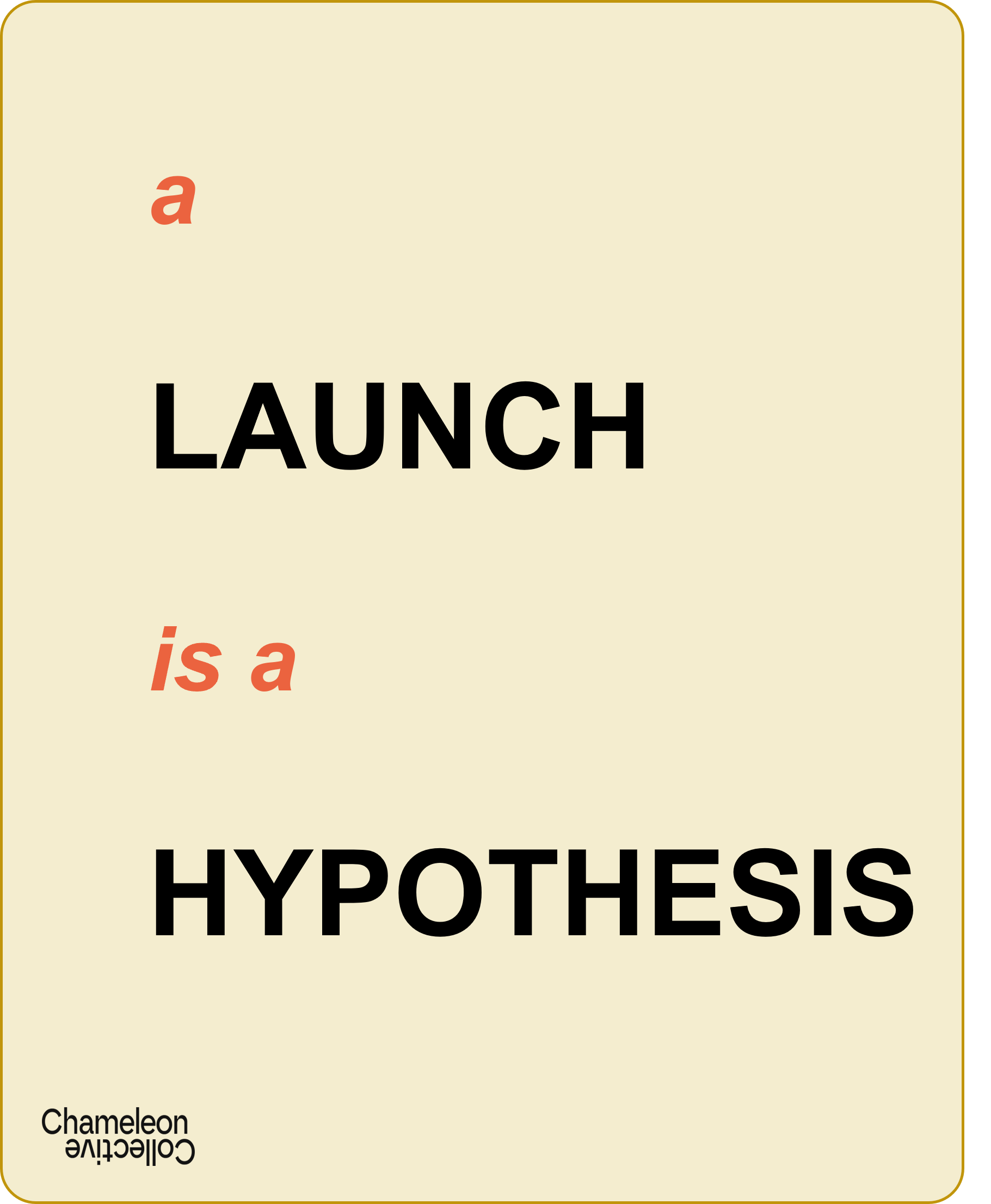
NOT because the idea was bad. NOT because the team wasn’t smart. They fail because the team treats the launch like a finish line. But: 𝗟𝗔𝗨𝗡𝗖𝗛 = 𝗛𝗬𝗣𝗢𝗧𝗛𝗘𝗦𝗜𝗦. Your campaign, your pricing, your positioning — all amount to your best plan 𝘢𝘵 𝘵𝘩𝘢𝘵 𝘱𝘰𝘪𝘯𝘵 𝘪𝘯 𝘵𝘪𝘮𝘦. The market will then tell you if you’re right. (After all: Life is what happens while you're busy making plans.) The winners? They don’t naïvely defend the plan. They quiz it. They measure, adapt, and re-launch … if needed. Here’s the uncomfortable truth: If you’re not at least ready to change your post-launch plan, then you probably aren’t ready to launch at all. Agree? Disagree? Let’s hear it — and tell me: what’s the biggest change you’ve made after launching? Brand? Product? Media mix? Share your thoughts here on LinkedIn . #GoToMarket #MarketingStrategy #Innovation #ProductLaunch #Leadership

𝗝𝘂𝘀𝘁 𝗯𝗲𝗰𝗮𝘂𝘀𝗲 𝘆𝗼𝘂 𝙘𝙖𝙣 𝗰𝗵𝗮𝗻𝗴𝗲 𝘁𝗮𝗰𝘁𝗶𝗰𝘀 ... 𝗱𝗼𝗲𝘀𝗻'𝘁 𝗺𝗲𝗮𝗻 𝘆𝗼𝘂 𝙨𝙝𝙤𝙪𝙡𝙙. I get it: it’s tempting - especially in volatile markets, with the pressure to show ROI - to pivot fast, tweak campaigns weekly, chase the latest shiny channel. (Marketing *allows* for that kind of AGILITY.) The question is: should you? You probably don't revise your product roadmap every quarter? Or overhaul your financial strategy every time a forecast dips? Yet, many companies swap marketing TACTICS like socks — neglecting the foundation (aka: STRATEGY) that actually delivers lasting success. 👉 Brand is long-term. 👉 Positioning is long-term. 👉 Customer insights are long-term. 𝗧𝗵𝗲𝗿𝗲𝗳𝗼𝗿𝗲 𝘆𝗼𝘂𝗿 𝗚𝗢-𝗧𝗢-𝗠𝗔𝗥𝗞𝗘𝗧 𝘀𝘁𝗿𝗮𝘁𝗲𝗴𝘆 𝘀𝗵𝗼𝘂𝗹𝗱 𝗯𝗲, 𝘁𝗼𝗼. Jackie Woodward, ACC's recent post (http://bit.ly/3GCbeJg) hit the nail right on the head: "Short-term-itis will yield short-term results ... But short-term-itis will not deliver brand over time. Only real transformation will." And while short-term tactics are necessary (yes, sales do keep the lights on), they can’t replace a strategy rooted in deep customer insight, cross-functional alignment, and sustained value creation. (And I am sure many Chameleon Collective-ists will have their perspective on this as well.) So next time you're about to pivot (yet again!), ask yourself: • Have we given this campaign / execution / idea / tactic enough time? • Are we shifting because it’s right for our customer? Or because we learned something new? • Or just because ... we can? What’s your approach to balancing agility with strategic consistency? #StrategyFirst #BrandOverTime #MarketingLeadership #Transformation #CustomerCentric

👀 “Companies don’t get stale overnight—it happens when no one’s around to challenge the routine.” As a consultant, I’ve had the privilege of stepping into many organizations—each with their own challenges, cultures, and blind spots. An OUTSIDE PERSPECTIVE provides a built-in advantage: the ability to question assumptions, spot hidden inefficiencies, and bring a jolt of fresh thinking. (READ: permission to ask the "stupid" questions.) Meanwhile, as a full-time employee, I’ve felt the deep internal rhythm—long-term projects, stakeholder dynamics, the classic “this is how we’ve always done it.” Over time, it gets harder to take a step back and spot what’s working (or not). (AKA: The "forest-for-the-trees" paradox.) That’s why I’m inspired by Chameleon Collective 's approach for Brand, Marketing, Customer Experience, Commerce, and Sales. The MO isn’t about parachuting in and then out—it’s about embedding external thinking into the fabric of a company’s culture. Whether that’s: / LEADING with fresh insights from day one / DELIVERING crystal clear analysis and unbiased solutions / (And, if needed:) RECRUITING new talent who think like outsiders TAKEAWAY: Companies that maintain an “outsider’s lens”—by weaving it into culture or engaging changemakers like Chameleon Collective—unlock continuous innovation and resilience. Without it, organizations risk stagnation. (Translate as: To stand still is to regress.) THINK ABOUT IT: Are you currently observing bias inside your own team? How do you stay objective—internally and externally? I’d love to hear your strategies. Share your thoughts here on LinkedIn .

Too often, marketers get stuck in a bubble of brand, campaigns, and customer journeys. But if you want to challenge the status quo and move the needle inside an organization, you can't afford to be blind to how operations, procurement, or R&D work.

Bruce Springsteen is called “The Boss” — but not because he acts like one. (Well, not in 'that way'.) This week I had the chance to see Springsteen live. (Bucket list item!). Incredible energy. (At 75!). Humble showmanship. (Yes, it can be done!). But it was something else that stayed with me long after the concert was over ... ... how he kept saying, in so many ways, that "Democracy is the way forward - Authoritarianism is NOT." Leaving politics aside, this struck a chord - professionally speaking. Springsteen got his nickname in the early '70s, not because he wanted to be in charge, but because he TOOK CARE of his bandmates. He collected the gig money and made sure everyone got paid. That spirit of responsibility — not control — earned him respect and loyalty. In the corporate world, too, the best leaders I’ve worked with don’t pull rank. They create space. They amplify others. They lead from within, not above. That kind of leadership shows up in: / Psychological safety: Where people speak up without fear. / Servant leadership: Where supporting the team is the main job. / Cross-functional collaboration: Where alignment beats hierarchy. Authoritarian styles may drive short-term execution. (Note how I did not say "success"). But inclusive leadership builds long-term trust — and sustainable results, for the individual, the team and the company. What’s your take: Have you worked with a “Boss” who didn’t act like one — and made your team stronger because of it? Share your thoughts here on LinkedIn #Leadership #TeamCulture #PsychologicalSafety #InclusiveLeadership #BruceSpringsteen